Why short levels suit an air traffic puzzle
This opinion piece looks at why Seaplane Dispatcher's short levels fit a game about attention and timing, and where the format has its limits.
A puzzle built on attention
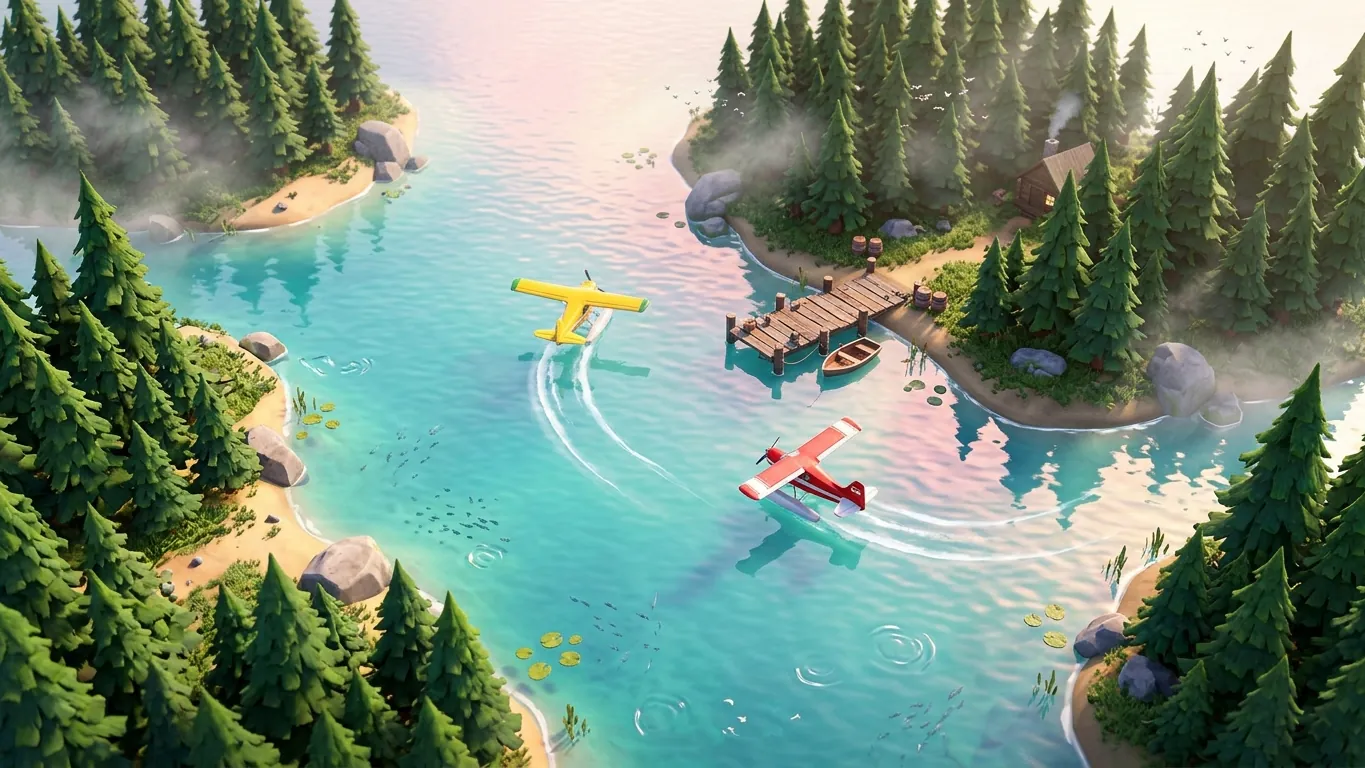
At its heart, Seaplane Dispatcher is an attention puzzle. You watch several planes at once, predict where they will be and draw routes that keep them apart. There is no single correct solution, only a stream of small decisions.
That kind of focus is tiring in a good way. It feels satisfying to bring a busy sky under control. But it is hard to sustain for long stretches without mistakes creeping in.
In our view, this is the main reason the short level format fits the game so well. It matches the length of each challenge to the length of time most players can stay sharp.
Short levels respect your time
A short level fits into a coffee break, a bus ride or the few minutes before dinner. You can start, finish and feel a sense of completion without planning a long session.
This also lowers the stakes of experimenting. Trying a new lane layout or a different dock split costs only a few minutes. If it does not work, you lose little and learn something.
The calm visual style supports this. Turquoise lakes, wooded islands and small animated planes make each level feel like a pleasant scene rather than a demanding task, which makes it easy to come back for another round.
Failure that feels fair
In Seaplane Dispatcher, a collision ends the level. In a long format, that could feel harsh. In a short one, it feels fair. You can usually see exactly what went wrong: two routes that met, a dock that was busy, a fast plane you noticed too late.
Because the level was brief, the mistake is fresh in your mind. You can try again straight away with a clear idea of what to change. The loop of attempt, mistake and adjustment is tight, which keeps the learning process engaging.
The record system fits neatly into this loop. Each short attempt gives you something to compare against, so progress feels visible.
Where short levels can fall short
The format is not perfect for every player. Some people enjoy building up a long, complex situation and managing it over time. Short levels cut that experience off before it fully develops.
There is also the restart habit. Because restarting is so easy, it can be tempting to keep going even when you are tired, which leads to frustration rather than improvement.
Finally, short levels can make the challenges feel separate. Fog, fast planes and urgent flights arrive in manageable doses, which is helpful for learning, but some players may wish for longer sessions where everything builds together.
Our take
On balance, we think short levels are a strong match for this kind of game. They suit the focus it demands, make experimentation easy and turn mistakes into quick lessons.
The gradual introduction of faster planes, dense fog and urgent flights works well within the format, and unlocking new maps gives a steady sense of moving forward.
This is a personal view based on playing the game, not a verdict for everyone. If you have a different take on the format, we would be glad to hear it through the contact form.
Related articles
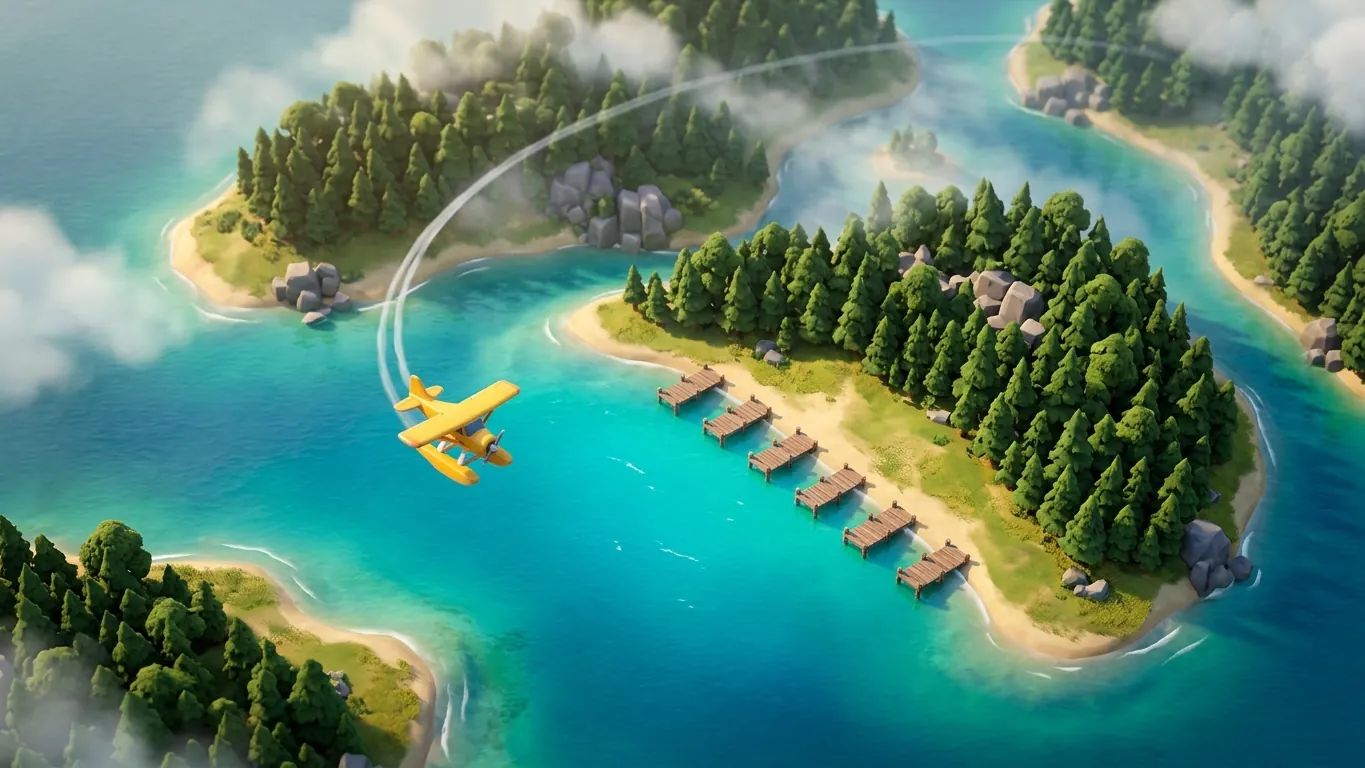 Seaplane Dispatcher basics: your first shift
New to Seaplane Dispatcher? Learn the core loop of drawing routes, landing seaplanes and assigning docks, plus habits that prevent early collisions.
Read more
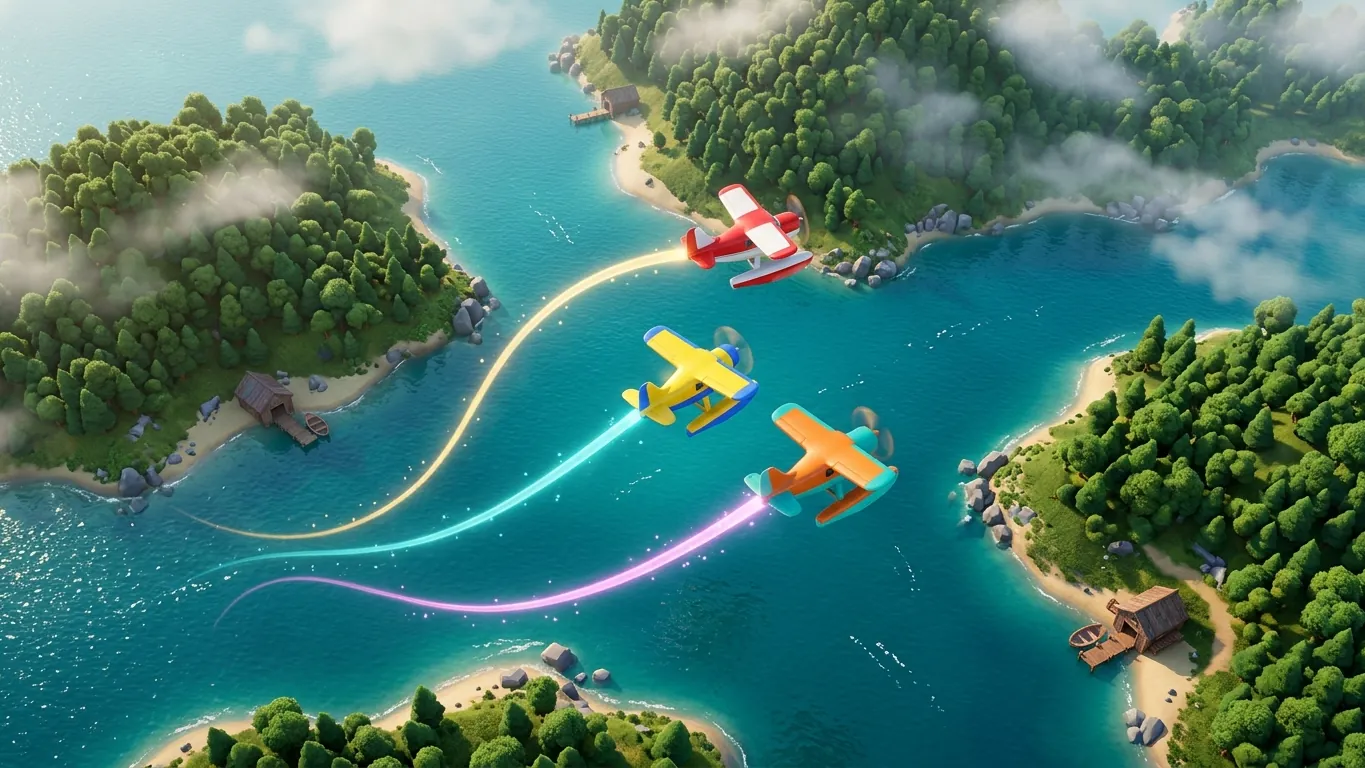 Drawing clean flight paths over the lakes
Learn how to draw seaplane routes in Seaplane Dispatcher that keep planes apart: path shape, lanes, crossing angles and when to redraw mid-flight.
Read more
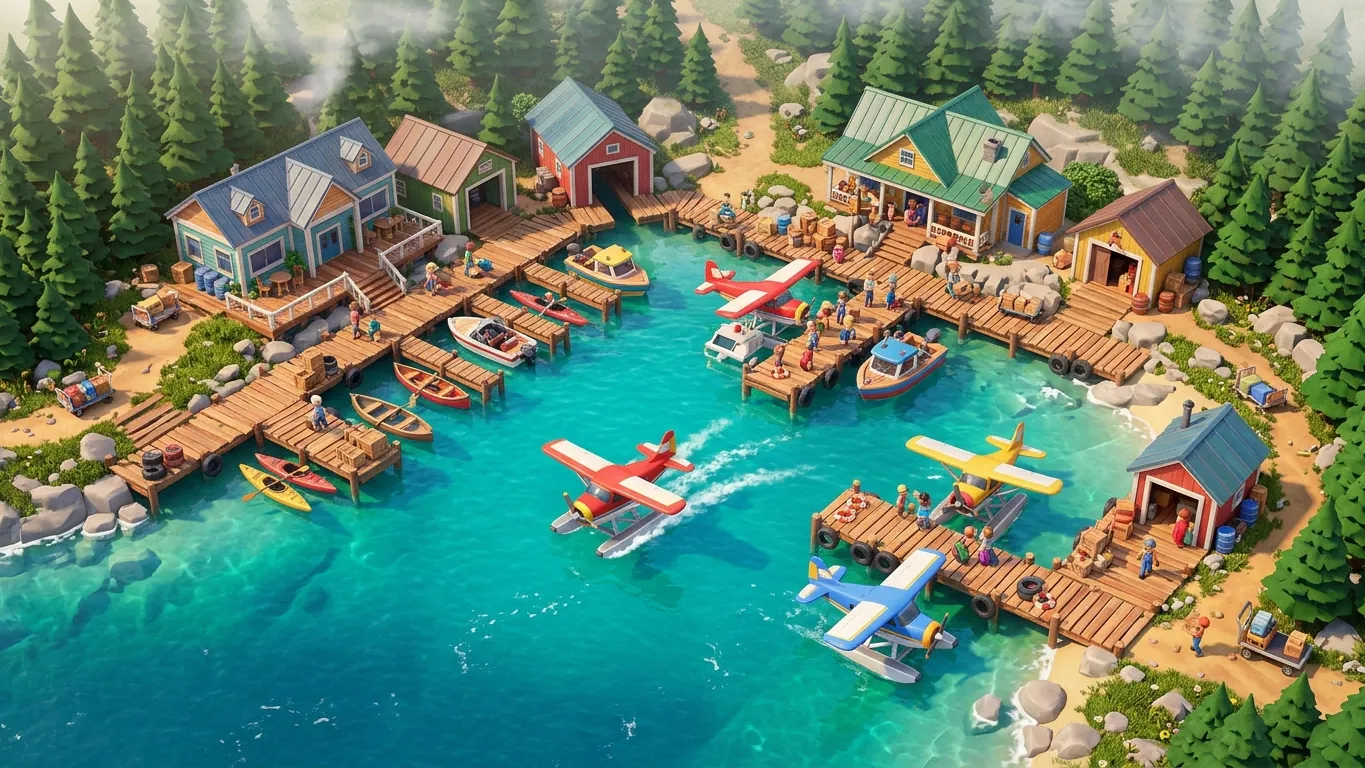 Dock assignment tips for busy harbours
Practical Seaplane Dispatcher tips for assigning docks: match docks to approach direction, keep a spare dock and clear crowded harbours calmly.
Read more